



Tips for Supervisors: Supporting Fatu Malosi students
Supervising gives Fatu Malosi students an opportunity to get a taste of research in your research world. This is your chance to empower the future Pacific leaders in health.
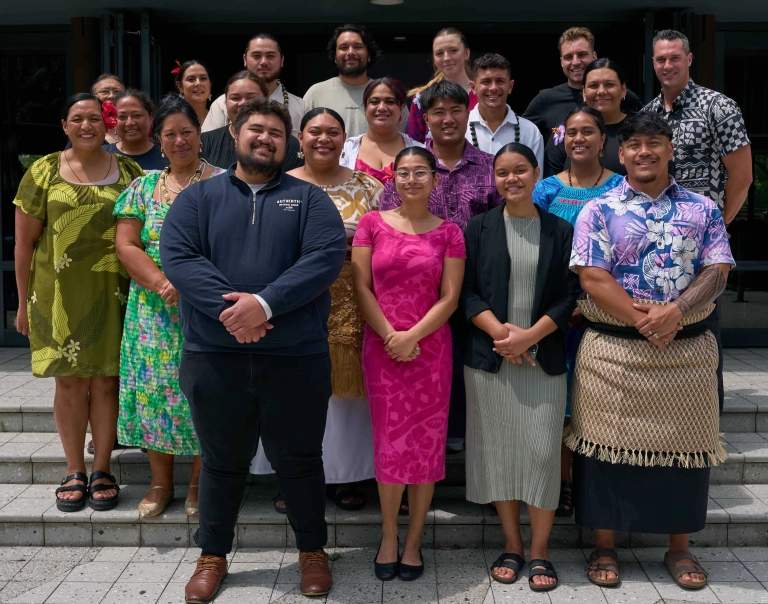
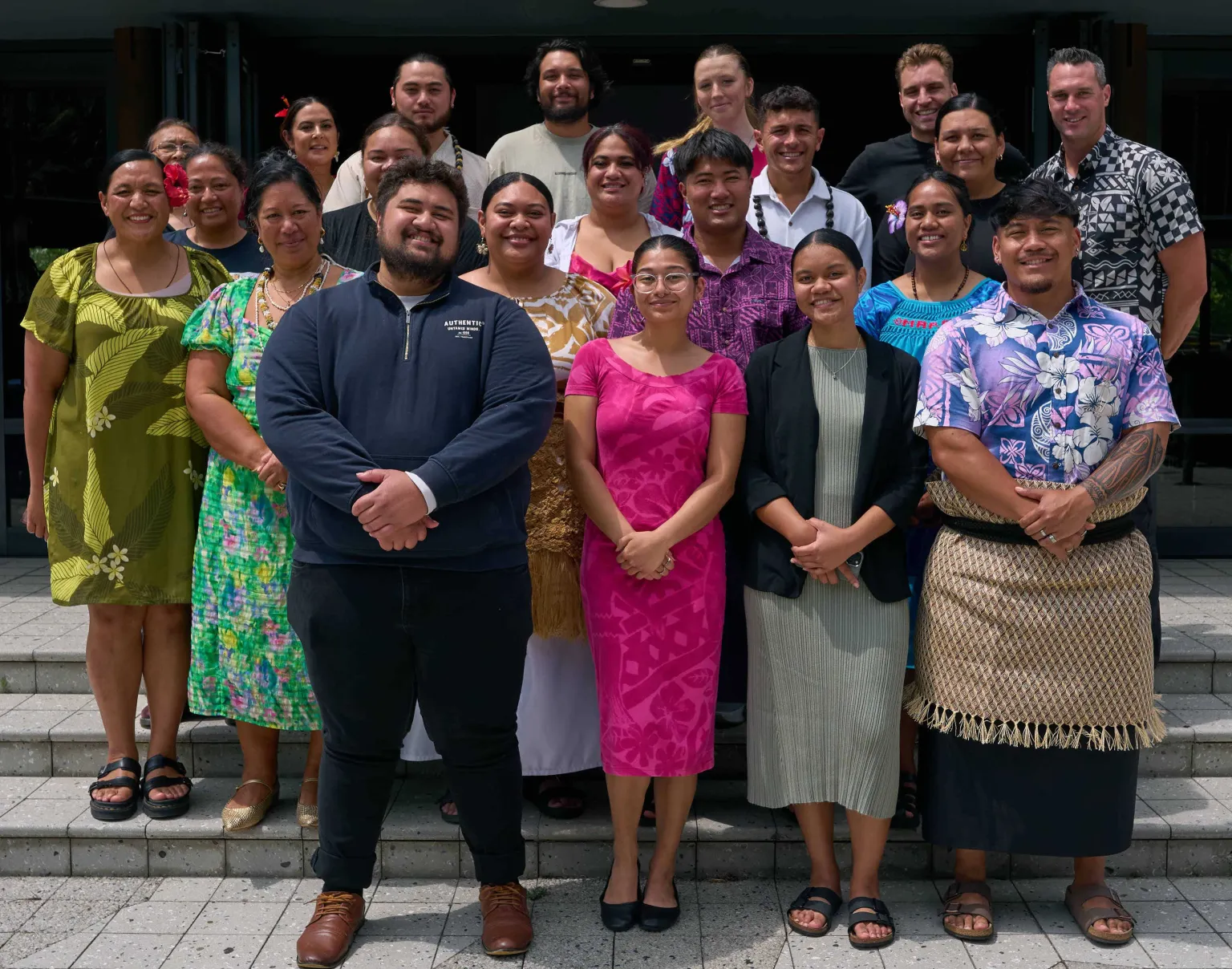
Here are some tips from Dr Julie Winter-Smith (Fatu Malosi Co-Lead) to help you create a positive and productive experience:
1. Build Relationships First
- Acknowledge and nurture tauhi vā – the relational space between people.
Take time to get to know your student beyond the project. Ask about their aspirations and interests. Share about your own background and interests as well.
2. Welcome your Fatu Malosi Student to be their Authentic Self
- Create a space where Fatu Malosi students feel seen and valued. Encourage them to bring their own perspectives, languages, and lived experiences into their research.
There is no single “right” way to be involved in research. Diverse perspectives and voices strengthen research for Pacific peoples.
3. Communicate Openly and Often
- Clarify expectations early (timelines, supervision style, communication preferences). All Fatu Malosi students have committed to treating this opportunity like a full-time job (40 hours per week).
Check in regularly (e.g. weekly) – even briefly. Check ins may focus on progress but also on how they’re feeling about the work. Regular check ins offer a great teaching and learning opportunity for you both.
4. Encourage Confidence
- Acknowledge what your Fatu Malosi student is doing well and build on their strengths. Help them to see challenges as part of learning, not as failure. Create space for questions and discussion without judgement.
If appropriate, offer opportunities for them to take ownership of parts of the research project.
5. Model Inclusive Research Practice and Celebrate Achievements
- Be mindful of how power and privilege operate in supervision and academia.
- Demonstrate respect for Pacific (and Māori) research values (e.g. talanoa, reciprocity, collectivism)
- Discuss why equity matters in heart health and how their work contributes to achieving equity for Pacific peoples.
- Recognise milestones – big and small.